Finde den Fußball: Puzzle Spiel online kostenlos
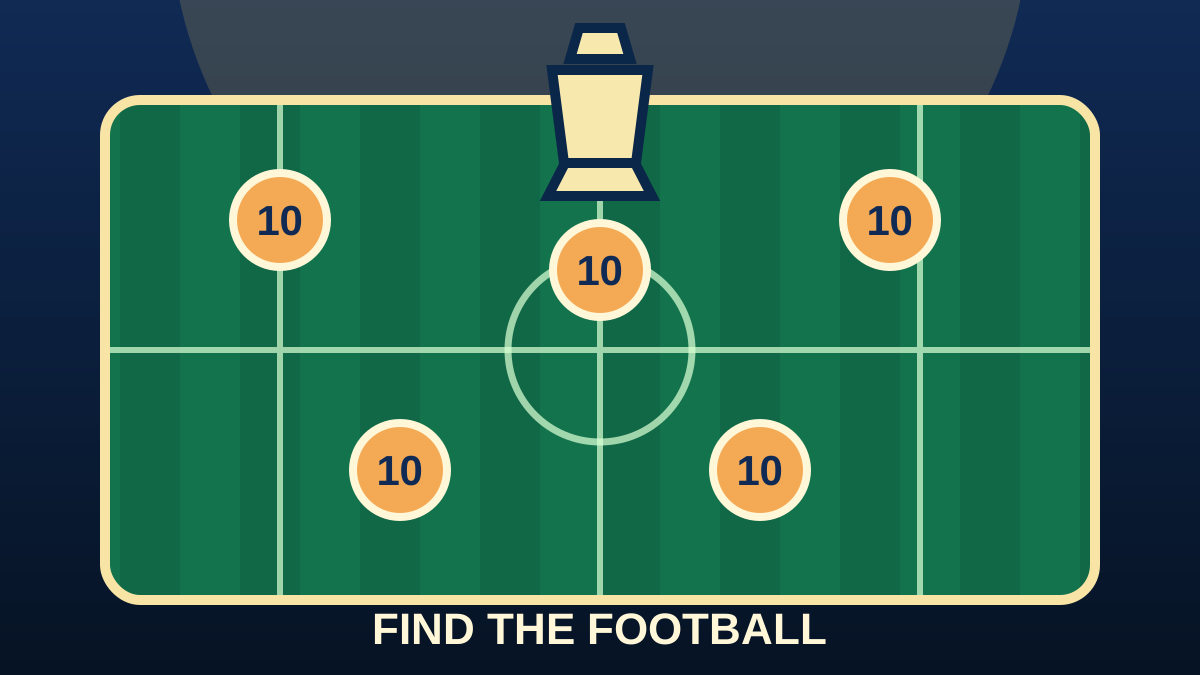
Finde den Fußball: Puzzle Spiel online kostenlos
Fresh puzzle stage, leaderboard ready
Related Games


Finde den Fußball: Puzzle Spiel online kostenlos
Finde den Fußball ist ein Puzzle Spiel online kostenlos – ein originelles Fußball-Logikrätsel, bei dem du ein kompaktes Raster lesen, einen kühlen Kopf bewahren und eine Entscheidung nach der anderen treffen musst. Jede Partie fordert dich auf, Fußbälle nach einer kurzen Reihe taktischer Regeln zu platzieren. Das Ziel klingt einfach: Finde die gültigen Felder. Das Interessante ist, dass jede Wahl die verbleibenden Möglichkeiten an anderer Stelle verändert. Eine Reihe, die offen aussieht, kann durch eine Spalte entschieden werden. Eine überfüllte taktische Zone kann dir den einzigen zuverlässigen Startpunkt liefern. Erfolg kommt durch das Verbinden dieser Hinweise, nicht durch Raten.
So spielst du
Jede Partie besteht aus einem Raster. Deine Aufgabe ist es, genau einen Fußball in jede Reihe, genau einen Fußball in jede Spalte und genau einen Fußball in jede taktische Zone zu setzen. Taktische Zonen sind umrandete Gruppen von Feldern; ihre Formen können rechteckig, gebogen, schmal oder über eine Ecke des Bretts verteilt sein. Sie sind die lokalen Hinweise, die jedem Rätsel seine Persönlichkeit verleihen. Eine Platzierung ist nur dann korrekt, wenn alle drei Bedingungen gleichzeitig erfüllt sein können.
Beginne damit, die Reihen und Spalten zu scannen. Wenn eine Reihe bereits einen Fußball hat, kann kein anderes Feld in dieser Reihe einen enthalten. Das Gleiche gilt für Spalten. Betrachte dann die taktische Zone, die ein mögliches Feld enthält. Sobald eine Zone ihren Fußball hat, sind die restlichen Felder in dieser Zone ebenfalls ausgeschlossen. Das Brett wird klarer, während du diese kleinen Fakten sammelst. Du brauchst nie geheimes Fußballwissen; alle Informationen sind im Raster.
Es gibt noch eine wichtige Einschränkung: Fußbälle dürfen nicht benachbart sein, auch nicht diagonal. Ein Fußball blockiert die acht umliegenden Richtungen, in denen diese Felder existieren. Diese Keine-Nachbarschaft-Regel verhindert, dass das Brett zu einer einfachen Reihen-und-Spalten-Übung wird, und schafft die befriedigenden Momente, in denen eine sorgfältige Platzierung mehrere Zweifel auf einmal löst. Bevor du ein Feld bestätigst, wirf einen Blick auf seine Nachbarn sowie auf seine Reihe, Spalte und Zone.
Auf dem Desktop klickst du ein Feld an, um es zu prüfen, und bestätigst den Fußball, wenn du bereit bist. Auf Mobilgeräten ist der gleiche kurze Tippablauf für einen kleineren Bildschirm ausgelegt: Tippe auf ein Feld, lies das Feedback auf dem Brett und treffe eine bewusste Wahl. Du kannst auch Ausschlüsse markieren, während du überlegst. Diese Markierungen sind deine Arbeitsnotizen, keine Verpflichtung, und sie sind besonders nützlich, wenn mehrere Linien einen belebten Abschnitt des Bretts kreuzen. Eine Rückgängig-Funktion erlaubt dir, einen Schritt von einer kürzlichen Notiz oder Platzierung zurückzugehen, ohne die Partie neu zu starten.
Du hast eine begrenzte Anzahl von Leben. Ein falsch bestätigter Fußball kostet ein Leben, daher ist es besser, innezuhalten und zu überprüfen, als ein plausibles Feld überstürzt zu wählen. Leben lassen jede korrekte Platzierung verdient erscheinen, machen das Spiel aber nicht zu einem Geschwindigkeitstest. Wenn das Brett schwierig ist, setze den Hinweis-Button sparsam ein. Ein Hinweis hebt nützlichen Kontext hervor und lenkt deine Aufmerksamkeit auf eine Schlussfolgerung; er ist da, um dein Denken neu zu starten, nicht um eine gesamte Lösung zu verraten. Das Spiel speichert deinen Fortschritt, während du spielst, sodass eine abgeschlossene Partie und dein aktueller Platz in der Sequenz später leicht wieder aufgerufen werden können.
Hier ist eine einfache Routine, die bei den meisten Brettern funktioniert:
- Finde eine Reihe, Spalte oder taktische Zone mit den wenigsten verbleibenden legalen Feldern.
- Markiere Felder, die durch bereits platzierte Fußbälle in übereinstimmenden Reihen, Spalten, Zonen oder Nachbarzellen ausgeschlossen sind.
- Vergleiche die verbleibenden Kandidaten an ihren Schnittpunkten, anstatt das erste vielversprechende Feld zu wählen.
- Bestätige erst, wenn die Platzierung jeder sichtbaren Regel entspricht, und nutze dann die neuen Ausschlüsse, um deinen Scan neu zu starten.
Eine praktische Denkweise
Eingeschränkte Zonen sind hervorragende Ausgangspunkte. Eine taktische Zone mit nur zwei machbaren Feldern ist wertvoller als eine breite Reihe mit sechs leeren Zellen, weil ihre Antwort mehrere andere Linien beeinflussen wird. Markiere Ausschlüsse deutlich, wenn die Oberfläche es erlaubt. Sichtbare Notizen verhindern, dass du denselben fehlgeschlagenen Kandidaten wiederholt überprüfst, und erleichtern das Erkennen eines erzwungenen Schnittpunkts. Wenn eine Zone nach Entfernen ihrer Reihen- und Spaltenkonflikte nur ein Feld verwenden kann, ist dieses Feld keine Vermutung: Es ist der nächste Fußball.
Hinweise sind am nützlichsten, nachdem du einen echten Scan durchgeführt hast und an einem Stillstand angelangt bist. Nutze einen, um zu erfahren, welche Beziehung wichtig ist, und setze die Schlussfolgerung dann selbst fort. Einen Hinweis beim ersten Ungewissheit auszugeben, kann ein Muster verbergen, das du kurz davor warst zu erkennen. Das Gleiche gilt für Leben: Schütze sie mit einer kurzen Überprüfung, besonders gegen Ende eines Bretts, wenn ein Fehler einen starken Lauf zunichte machen kann. Es ist keine Schande, eine Notiz rückgängig zu machen, eine Zone erneut zu besuchen oder einen Moment vom Bildschirm wegzunehmen.
Fußball-Atmosphäre ohne offizielle Ansprüche
Die Stimmung von Finde den Fußball kommt von der Art, wie Fans über Raum sprechen. Eine gut organisierte Abwehr schließt Gassen. Ein geduldiger Angriff wartet auf eine Öffnung. Ein Turnierspiel kann sich in einem Moment wenden, wenn eine überfüllte Gegend plötzlich Sinn ergibt. Dieses Raster übersetzt dieses Gefühl in ein ruhiges, abstraktes Rätsel: Linien sind Gassen, taktische Zonen sind Spielfeldtaschen, und jeder Fußball ist eine Wahl, die Platz für den Rest der Formation lassen muss.
Die visuelle und thematische Inspiration ist die breite Fußballkultur: Vorfreude auf den Spieltag, Geometrie des grünen Rasens, Anzeigetafeln und die Freude, nach einem angespannten Spiel über Formen zu diskutieren. Es kann eine WM-Fußball-Atmosphäre im allgemeinen Sinne hervorrufen, dass viele Menschen wichtige internationale Spiele verfolgen und Taktiken vergleichen. Diese Atmosphäre ist ein Thema, kein Anspruch auf einen echten Wettbewerb. Finde den Fußball ist mit keinem Fußballturnier, Team oder Ereignis verbunden. Es repräsentiert keine offiziellen Begegnungen, Spieler, Ergebnisse, Übertragungen oder lizenzierte Wettbewerbsinhalte.
Diese Trennung gibt dem Rätsel Raum, sein eigenes Ding zu sein. Du kannst das Drama einer letzten sorgfältigen Platzierung genießen, ohne einem bestimmten Verein oder Land folgen zu müssen. Das Brett hat keine versteckten Verweise auf echte Mannschaften, und die taktischen Zonen sind als logische Einschränkungen konzipiert, nicht als Diagramme einer realen Formation. Ob du die Sportart Fußball oder Soccer nennst, der Reiz ist derselbe: Sieh das Feld, respektiere den Raum, und mache den Pass, der jedes andere Teil im Gleichgewicht lässt.
Warum dieses Raster-Puzzle wieder spielbar bleibt
Ein Fußball-Raster-Puzzle ist befriedigend, weil die Regeln stabil sind, während sich die Situationen ändern. Du lernst die Sprache der Reihen, Spalten, Zonen und Abstände früh. Spätere Level fordern dich heraus, diese Sprache auf neue Weise zu kombinieren: Eine schmale Zone kann mit einer überfüllten Spalte konkurrieren, eine diagonale Einschränkung kann früher relevant werden, oder ein fast vollständiges Brett kann zwei Kandidaten hinterlassen, die nur ein benachbartes Feld entscheiden kann. Der Schwierigkeitsgrad wächst durch klarere Anforderungen an dein logisches Denken, nicht durch versteckte Tricks.
Für Fans eines Fußball-Logikrätsels verleiht die Spielrahmen dem klassischen Raster-Denken eine kleine Persönlichkeit. Für Fans von Deduktionsspielen ist das Fußballthema ein freundlicher Einstieg in Einschränkungen und Eliminierung. Das wichtige Merkmal ist Fairness: Jedes abgeschlossene Brett folgt aus Informationen, die du sehen kannst. Wenn eine Lösung erscheint, sollte sie sich wie ein gut getimter Zug anfühlen, der die ganze Zeit über verfügbar war.
Häufig gestellte Fragen
Ist Finde den Fußball kostenlos spielbar?
Ja. Du kannst das Fußball-Logikrätsel in einem Browser starten und die verfügbaren Partien durchspielen, ohne spezielle Ausrüstung oder Fußballwissen zu benötigen.
Welche Geräte kann ich verwenden?
Das Spiel ist für aktuelle Desktop- und Mobilbrowser ausgelegt. Das Brett passt sich dem verfügbaren Bildschirmplatz an, und die mobilen Steuerungen verwenden bewusste Tipps, sodass kleine Felder handhabbar bleiben.
Was ist das Ziel in jedem Level?
Setze einen Fußball in jede Reihe, jede Spalte und jede taktische Zone. Fußbälle dürfen nicht horizontal, vertikal oder diagonal benachbart sein. Alle diese Regeln müssen gleichzeitig erfüllt sein.
Warum habe ich ein Leben verloren?
Ein Leben wird verloren, wenn ein bestätigter Fußball eine der sichtbaren Einschränkungen verletzt. Überprüfe Reihe, Spalte, Zone und Nachbarfelder, bevor du bestätigst. Du kannst Ausschlüsse und Rückgängig nutzen, um unsichere Positionen sicherer zu durchdenken.
Was bewirken Hinweise?
Hinweise liefern Kontext für eine nützliche Schlussfolgerung, wenn du feststeckst. Sie werden am besten eingesetzt, nachdem du die am stärksten eingeschränkten Bereiche überprüft hast, denn das Ziel ist immer noch, die Logik hinter dem nächsten Zug zu verstehen.
Wird mein Fortschritt gespeichert?
Dein Fortschritt durch die Match-Sequenz wird lokal aufgezeichnet, sodass du zur nächsten verfügbaren Herausforderung zurückkehren kannst. Abschlussergebnisse können auch widerspiegeln, wie weit du fortgeschritten bist und wie effizient du eine Partie bewältigt hast.
Verwendet das Spiel echte Turnier- oder Teamdaten?
Nein. Das Fußball- und Turniergefühl ist nur thematisch. Finde den Fußball ist mit keinem Fußballturnier, Team oder Ereignis verbunden und präsentiert keine offiziellen Sportdaten oder Wettbewerbsmaterialien.
Gibt es eine beste Strategie für schwierigere Bretter?
Beginne mit den engsten taktischen Zonen, überprüfe dann ihre Reihen- und Spaltenschnittpunkte. Behalte die Keine-Nachbarschaft-Regel im Kopf, markiere Ausschlüsse, und lass jeden bestätigten Fußball die nächste Reihe von Schlussfolgerungen erzeugen. Langsames, sichtbares Denken ist zuverlässiger als ein glücklicher Tipp.
Trending Games

Sprunki Phase 7 Original

Sprunksters But Sprinkle
Sprunki Phase 7 Definitive

Sprunki OC With Lily
Sprunki Retake New Human
Incredibox Mustard
Sprunki Lily

Sprunki Wenda Treatment Pyramixed 3.0
Sprunki Incredibox

Sprunki Phase 16
Sprunki simon's realm